

Skin Cancer
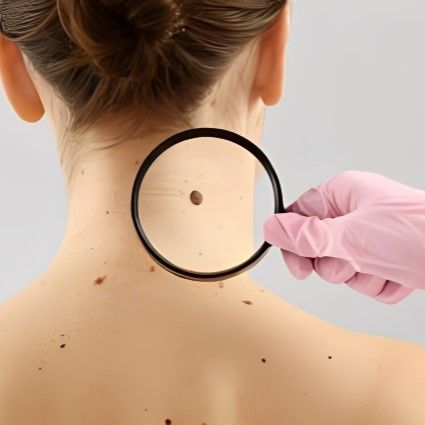
We have doctors with a special interest in skin cancer checks, and additional training in the detection and removal of skin cancers. Australia has one of the highest rates of skin cancer in the world. About two in three Australians will be diagnosed with some form of skin cancer before the age of 70. Basal Cell Carcinoma and Squamous Cell Carcinoma are the most common types of skin cancer and are sometimes call non-melanoma skin cancer. Melanoma usually begins as a new small spot, mole or freckle that changes colour, shape or thickness over months. Skin cancer occurs when skin cells are damaged, for example, by overexposure to ultraviolet (UV) radiation from the sun.
Skin cancer checks
A skin cancer check assesses your skin cancer risk and indicates any current skin problems of concern.
The skin cancer check includes taking your medical history, including previous sun UV exposure, as well as undertaking a detailed examination of your skin. If any moles or lesions have developed or changed in size or nature recently, our doctors will assess and recommend the necessary treatment.
We recommend you see your GP for a skin cancer check at least annually. As well as scheduling your annual assessment, you should see your GP should you notice any of the following signs:
- Changes in a mole size, shape or colour
- The edges of a mole have begun to change
- The mole starts and continues to grow
- The mole is not a solid brown colour, but multicoloured instead
If you notice any of the above, it is advised to book an appointment immediately with your GP for an examination. Your doctor will provide you with a thorough skin check, and scan for symptoms of larger issues.